For the residents of Lansing, MI, Michigan State University is a familiar part of life, yet for many students growing up in the surrounding area, MSU can feel more like a symbol than a destination.
MSU’s Lansing Spartan Scholars Program is working to expand access to MSU for students in the Lansing community with support, connection and purpose. Launched as a presidential initiative in spring 2025, the program welcomed its director, Cece Sumpter, this summer and its inaugural cohort of scholars this fall.
Leading with purpose
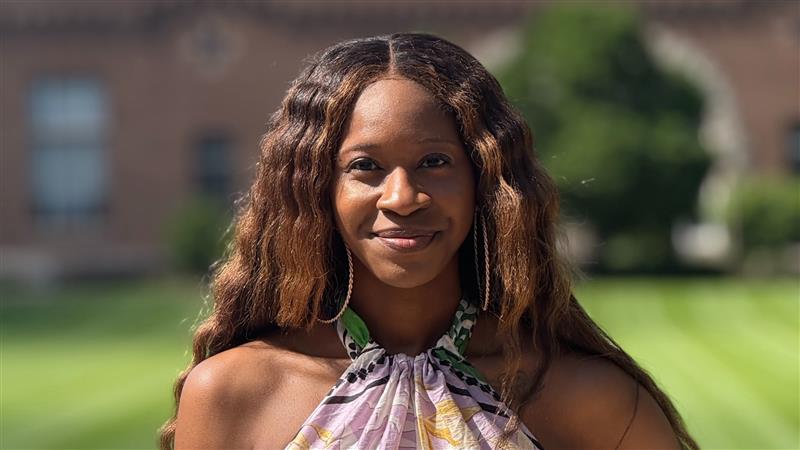
Cece Sumpter’s passion for student success began during her undergraduate years at Virginia Union University, where she saw the impact of intentional community building while advising for a Summer Bridge Program. “The intentional community building and personalized engagement within the Summer Bridge Program deeply resonated with me,” Sumpter recalls. “I was drawn to the program because of its strong academic, social and campus support structure for incoming freshmen.”
Her graduate work at Eastern Michigan University deepened that commitment through involvement with college access initiatives like GEAR UP and TRIO Student Support Services, as well as her work with a College Positive Volunteerism (CPV) grant, which enabled Sumpter and colleagues to use theatre as a creative platform to promote college access.
Later, as a college advisor with AdviseMI, she guided 600 Michigan high school seniors through the complexities of postsecondary planning. “In higher-ed we ideate a lot about what the prep work looks like for these students prior to beginning their postsecondary education,” says Sumpter, “but it was a very different situation to be sitting in those spaces witnessing it firsthand.” While in this role she created a senior seminar that addressed some of those planning needs and helped streamline the application process for her students.
Sumpter’s professional journey eventually brought her to MSU where she supported student success as a financial aid advisor before shifting to Michigan State Athletics where she served as the inclusive excellence coordinator, forming connections with campus and community partners.
“As I approach eight years at MSU, I’m deeply grateful for how this community has shaped me as an educator, professional, and partner. MSU has challenged me to think critically, elevate student voice, and build intentional partnerships that ignite our shared mission and illuminate the university’s future,” Sumpter remarked.
Expanding pathways and bridging gaps
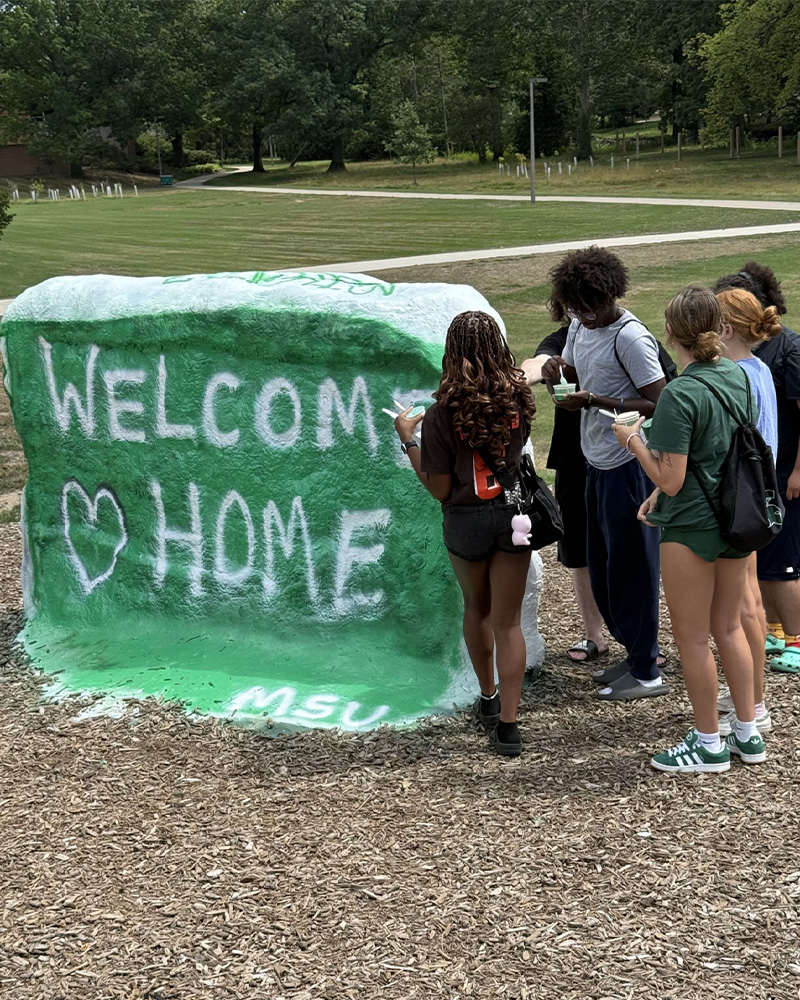
This fall 2025, Lansing Spartan Scholars welcomed its inaugural cohort of 34 scholars—26 first-year students and eight transfers. The 34 Spartans in the 2025-26 cohort are associated with Lansing Promise, a place-based scholarship program that takes an active role in the future of eligible Lansing School District graduates. Lansing Promise awards funds for eligible students’ post-secondary education and connects them with professional development and mentorship opportunities.
In her ongoing support of this first cohort, Sumpter says her guiding principles are rooted in fostering meaningful connections, advancing academic excellence, and creating inclusive environments that honor diverse identities and lived experiences.
As a presidential initiative, LSS is focused on expanding pathways from Lansing to MSU and increasing access through multiple routes including direct high school enrollment and community college and university transfers.
“Proximity does not always mean access,” Sumpter explains. “Just because campus is physically close to them doesn’t mean that students within the Lansing community feel like it’s an option for them.”
LSS aims to bridge this gap to create a stronger partnership between MSU and its neighbors, so that more students in the Lansing area can view MSU as not just a landmark within their community, but truly as Michigan’s state university and a place where they belong.
Building confidence through connection
The LSS program works to provide a comprehensive support system for its scholars, centering its curriculum around building community and campus engagement, career and graduation readiness, undergraduate research, leadership development and regular coaching.
In large feature is the professional development support all LSS students receive which includes activities like resume building, professional studio portraits, and creating or updating a LinkedIn profile. First-year LSS students are also enrolled in UGS 110, a seminar for newly admitted students that focuses on a successful transition to college through the exploration of academic success, community engagement, and holistic wellness.
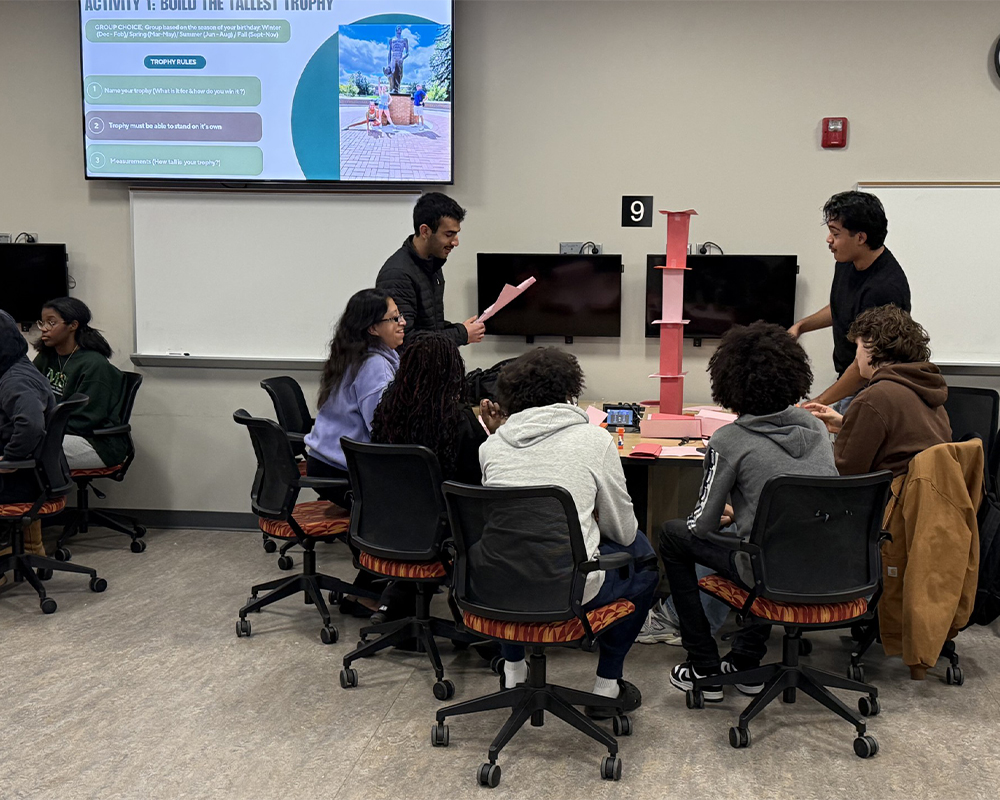
Peer mentors are available during three weekly “LSS Power Hours,” non-structured study hall sessions hosted at different campus locations, where Sumpter is also accessible virtually to connect and support students. For peer mentor and senior Karicia Ceballos-Vasquez, who studies Elementary Education, the LSS program has already had a significant impact on students and mentors alike. “By being a peer mentor, I have been able to provide students with the support and guidance that they need, attend and host power hours, and meet students as they get acclimated to MSU,” Ceballos-Vasquez explained. Peer mentors, while providing students with valuable guidance as they transition to MSU, also gain experience working with others and offering help and support.
Making it work by working together
Dr. Joy Hannibal, Undergraduate Success Strategic Innovation Manager and Program Director of Detroit M.A.D.E., along with New Student Orientation Program Coordinator Jared Stratz, played a key role in launching this initiative. Building on their leadership, Cece and three LSS peer mentors have continued the work by assessing student progress in the updated Lansing Spartan Scholars Program through ongoing coaching focused on academic confidence, well-being, social engagement, and campus integration.
“Challenges emerge in real time and we’re building both immediate interventions and long-term interventions simultaneously,” says Sumpter, describing the dance between responding to the at-times unpredictable needs of current students while also planning ahead for the needs of future cohorts.
Bolstering connections with campus partners to help address barriers that arise provides flexibility and responsiveness to their support of students. Partnerships both on and off campus will be integral to the success of LSS, Sumpter remarked, with a need for robust rapport with Office of Undergraduate Education programs and units like the Pathways Persistence Programs, the Strategic Retention Unit and University Advising in addition to MSU’s central offices like the Office of Financial Aid, and the Office of Admissions, as well as Lansing Promise.
As the Lansing Spartan Scholars program continues to grow, Sumpter is defining the tangible resources she can create, so campus partners, donors, local schools, students and their families/supporters can learn about the opportunities available through the LSS program. Sumpter noted community and campus engagement as additional focus areas, with the aim to grow available opportunities both on and off campus for each cohort.
As the first set of LSS students settle in at MSU, Sumpter continues to remind them that one of their greatest resources is each other, “I tell my students that when they have a problem or question, look to your left, look to your right, and talk to each other.” When students feel safe and connected, she explained, they can help each other and build new friendships and community.
If you have questions about the Lansing Spartan Scholars program, feel free to reach out to LansingSpartanScholars@msu.edu. Discover more about the Lansing Spartan Scholars program and MSU’s Presidential Priorities & Initiatives.